What Causes These Lipids to Build up? DHT is a factor!
https://www.reddit.com/r/tressless/comments/1eelmzr/57_increased_chance_of_pattern_hair_loss/
In the paper titled “The ‘bald’ phenotype (androgenetic alopecia) is caused by the high glycaemic, high cholesterol and low mineral ‘western diet’” by Nicholas John Sadgrove, the author explores the relationship between diet and androgenetic alopecia (AGA). The paper suggests that poor glucose control and high cholesterol, characteristic of the ‘western diet,’ are significant contributors to the development of AGA. It highlights that balding follicles demonstrate accelerated oxidative damage and increased fatty acid synthesis, with overactive PPAR-γ receptors playing a role in these processes. However, this perspective seems somewhat backward. While it suggests that high sugar diets may trigger AGA, it appears more plausible that individuals with AGA may already have defective PPAR-γ receptors or produce high amounts of toxic lipids that their PPAR-γ receptors cannot adequately regulate. These defective receptors could make them more susceptible to the effects of DHT and other metabolic disturbances. While diet might impact AGA, attributing the condition primarily to dietary factors seems like an exaggeration.
We know that DHT alone can cause significant issues within tissues. Increased 5-alpha reductase activity in the sebaceous glands leads to heightened sebum output. Conditions like seborrheic dermatitis and acne vulgaris are exacerbated by this overproduction of sebum, which feeds local microbial life and is rich in triglycerides and cholesterol. This sebum can be toxic, and DHT can induce excessive sebaceous gland activity, producing harmful sebum independent of diet.
DHT and Sebaceous Gland Activity

In the paper “The Role of Sebaceous Gland Activity and Scalp Microfloral Metabolism in the Etiology of Seborrheic Dermatitis and Dandruff” by Byung In Ro and Thomas L. Dawson, the authors discuss the intricate relationship between sebaceous gland activity, scalp microflora, and the pathogenesis of scalp disorders such as dandruff and seborrheic dermatitis (D/SD). The study highlights the crucial role that sebum composition and metabolism by scalp microflora, particularly Malassezia species, play in the development of these conditions. Sebum, produced by sebaceous glands, is a complex mixture of triglycerides, fatty acids, wax esters, sterol esters, cholesterol, cholesterol esters, and squalene. Its composition changes as it is secreted onto the skin surface. Initially, sebum primarily consists of triglycerides and esters, which are then broken down by commensal microbes into diglycerides, monoglycerides, and free fatty acids.

Malassezia species, which are lipid-dependent fungi, play a significant role in the metabolism of sebum. These fungi have a specific preference for saturated fatty acids, consuming them and leaving behind unsaturated fatty acids. This metabolic activity alters the composition of sebum on the scalp, resulting in an increased presence of irritating unsaturated fatty acids. These modified sebaceous secretions can penetrate the stratum corneum, breaking down the skin barrier and leading to inflammation, irritation, and scalp flaking, which are characteristic of D/SD. This study shows us that while dandruff and seborrheic dermatitis are often considered superficial disorders of the stratum corneum, they involve more complex changes, including epidermal hyperproliferation, excess lipids, interdigitation of the corneal envelope, and parakeratosis. The pathogenic role of Malassezia in D/SD has been well elucidated, focusing on their lipid metabolism. The fungi degrade sebum, freeing multiple fatty acids from triglycerides, and consume specific saturated fatty acids necessary for their proliferation, leaving behind unsaturated fatty acids. These changes in sebum composition due to Malassezia metabolism are directly linked to the symptoms of dandruff and seborrheic dermatitis.

from: Regulation of Human Sebaceous Glands - ScienceDirect
Similarly, the article “Regulation of Human Sebaceous Glands” by Diane Thiboutot discusses the mechanisms that regulate sebum production and the role of various factors, including androgens, growth hormones, and retinoids. Thiboutot highlights how these elements influence sebaceous gland function and their implications for conditions like acne. The pathogenesis of acne involves the interplay between sebum production, bacterial colonization by Propionibacterium acnes, follicular hyperkeratinization, and inflammatory mediator release. A significant part of this process involves the sebaceous glands, which produce a lipid-rich fluid called sebum. This fluid is essential for the nourishment of P. acnes, playing a critical role in acne development. Androgens, such as testosterone and DHT, significantly stimulate sebum production by acting through androgen receptors located in the basal layer of the sebaceous glands and hair follicle keratinocytes, leading to increased lipid production and gland size.
A major aspect of the paper is the regulation of sebum production by various hormones and receptors. Androgens, such as testosterone and dihydrotestosterone (DHT), are known to significantly stimulate sebum production. These androgens act through androgen receptors located in the basal layer of the sebaceous glands and hair follicle keratinocytes, leading to increased lipid production and gland size.
Furthermore, the article “The Annual Changes of Clinical Manifestation of Androgenetic Alopecia Clinic in Korean Males and Females: An Outpatient-Based Study” by Woo Sun Jang et al. explores the association between AGA and other conditions, particularly seborrheic dermatitis. AGA, characterized by the progressive thinning of scalp hair, is the most common type of baldness affecting both men and women. This study examines the clinical manifestations of AGA, including the age of onset, severity, family history, and associated diseases in Korean patients.
The study found a significant comorbidity between AGA and seborrheic dermatitis in both male and female patients. Seborrheic dermatitis was identified as the most common associated condition, affecting 51.2% of males and 45.7% of females with AGA. This elevated prevalence of seborrheic dermatitis among AGA patients contrasts sharply with its general population prevalence of 1-3%, suggesting a notable link between the two conditions. Both AGA and seborrheic dermatitis are influenced by DHT, a potent androgen hormone. The role of DHT in AGA is well-documented, as it contributes to hair follicle miniaturization and subsequent hair loss. Similarly, seborrheic dermatitis is related to increased DHT levels, which stimulate the sebaceous glands and exacerbate the condition.
In addition to seborrheic dermatitis, the study also talked about other conditions commonly associated with AGA, including hypertension, hyperlipidemia, and diabetes mellitus. The prevalence of these conditions among AGA patients reflects broader trends in modern Korean society, where lifestyle changes, such as adopting a Western diet, have led to increased rates of metabolic disorders. This association between AGA and metabolic conditions supports previous findings that link early-onset AGA with insulin resistance and related disorders like obesity, hypertension, and dyslipidemia.
Implications that DHT may be involved in other alopecias; primarily scarring alopecias

I made this video about a year ago, and, I’m happy to come full circle on the matter,

The chronic and toxic buildup of lipids can trigger seborrheic dermatitis as well as microbial species. If there is a genetic defect in PPAR-γ receptors that causes them to become downregulated, individuals might have a predisposition to scarring alopecia like LPP. This predisposition could be triggered by DHT’s activity in the sebaceous glands, leading to high lipid concentration and subsequent pathological effects. Therefore, while diet might influence the severity or progression of AGA, the underlying genetic and hormonal factors play a more crucial role in its development.
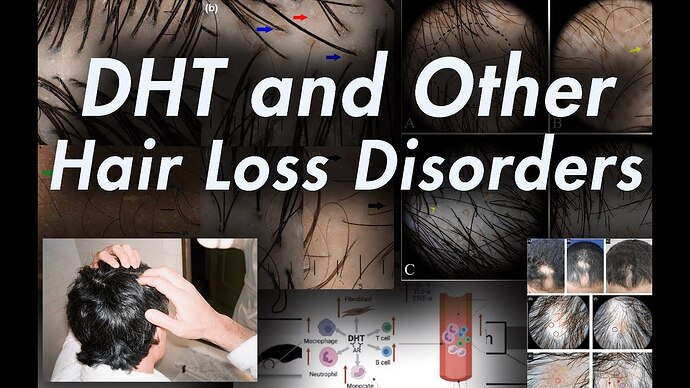
Additionally, many skin diseases, such as acne and psoriasis, involve abnormal or excessive inflammatory responses. It has been demonstrated that AR in macrophages can promote inflammation, especially via up-regulation of TNFα expression, to suppress wound healing. According to Lai et al. in “The Role of Androgen and Androgen Receptor in the Skin-Related Disorders,” this suggests that AR may also be involved in the regulation of other skin diseases characterized by dysregulation of inflammatory responses. For example, in autoinflammatory conditions like pyogenic arthritis, pyoderma gangrenosum, and acne (PAPA) syndrome, symptoms include acne at puberty (with increased androgen and IGF-1 signaling) and chronic inflammation with impaired wound healing. Treatment with a TNFα blocker could improve the pathology of PAPA syndrome, indicating that reducing AR activity might be beneficial for such diseases. The ultimate goal is to efficiently attenuate the disease states of these androgen/AR-involved conditions with minimized side effects.